Phonics and Early Reading Tutoring in Wylie (K–3)
Avalon Academic Center teaches reading the way reading is actually learned: sounds first, then words, then meaning. We are a small, in-person tutoring center, and every reading tutor here is hand-selected and trained, working with four students or fewer.
Wondering whether it is time for help? Call (682) 343-5523

Signs your child may need reading help
Reading trouble often looks like something else — a child who hates school. These patterns point to a real gap.
Guessing at words
Your child looks at the first letter and invents the rest, or substitutes a word that fits the sentence but is not on the page. That is a decoding gap, not laziness.
Slow, choppy reading
Reading aloud sounds like a stop-and-start machine. When decoding takes all the attention, nothing is left for understanding.
Avoiding reading at home
Books untouched, sudden bathroom trips at reading time, a preference for screens — coping strategies for a child who finds reading exhausting.
Trouble retelling
After a page is finished, your child cannot say what happened. Word calling without comprehension usually means the foundation needs work.
Struggling with STAAR reading passages
In grades 3–5, passage questions require inference and evidence. A child who reads every word but cannot answer the question is not yet reading strategically.
Some families pair these sessions with our after school tutoring hour in Homework Club, so the weekly assignments get finished too.
One alone is not a diagnosis. Three or four together, steady for a couple of months, are worth investigating.
What we work on
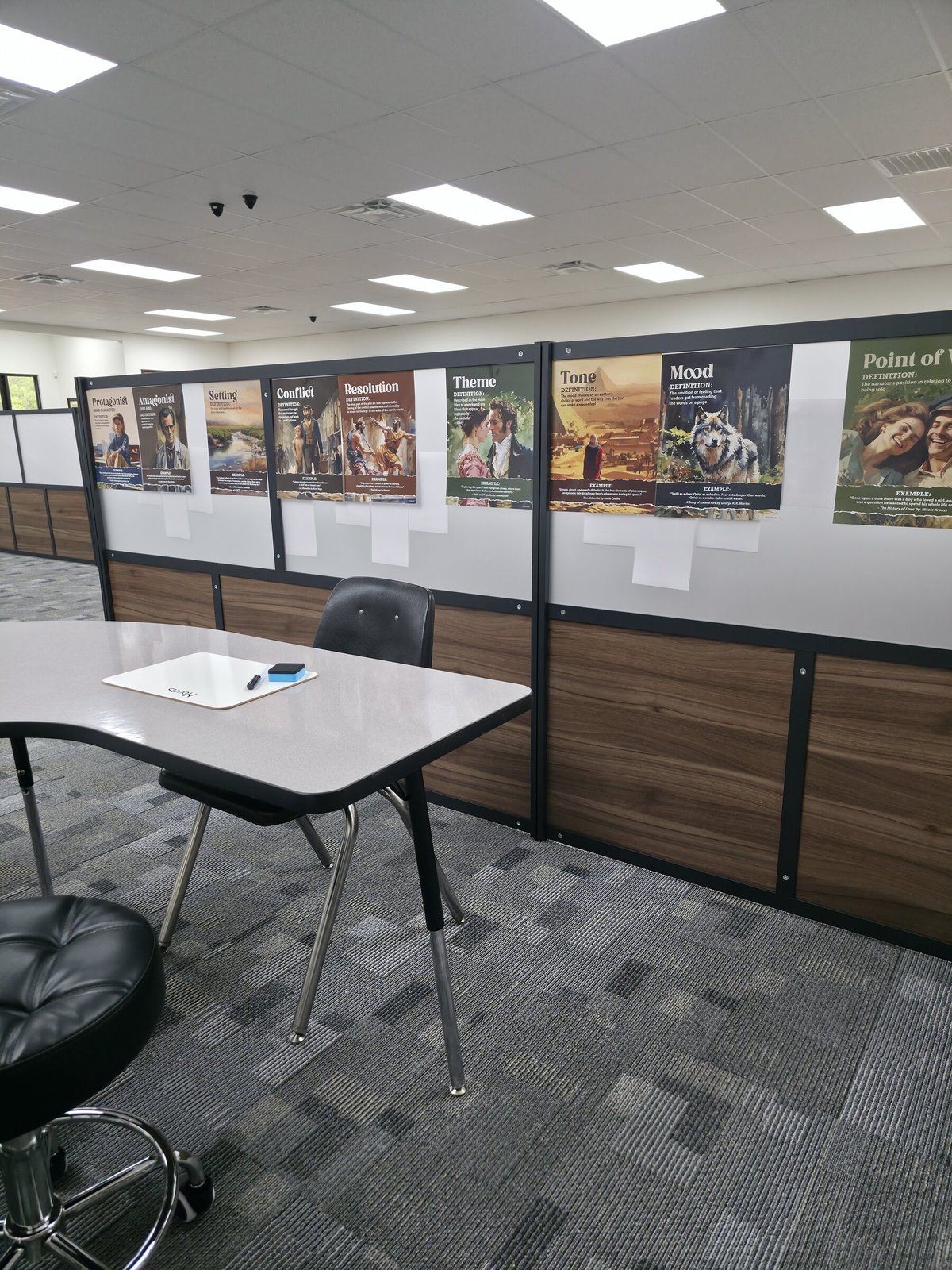
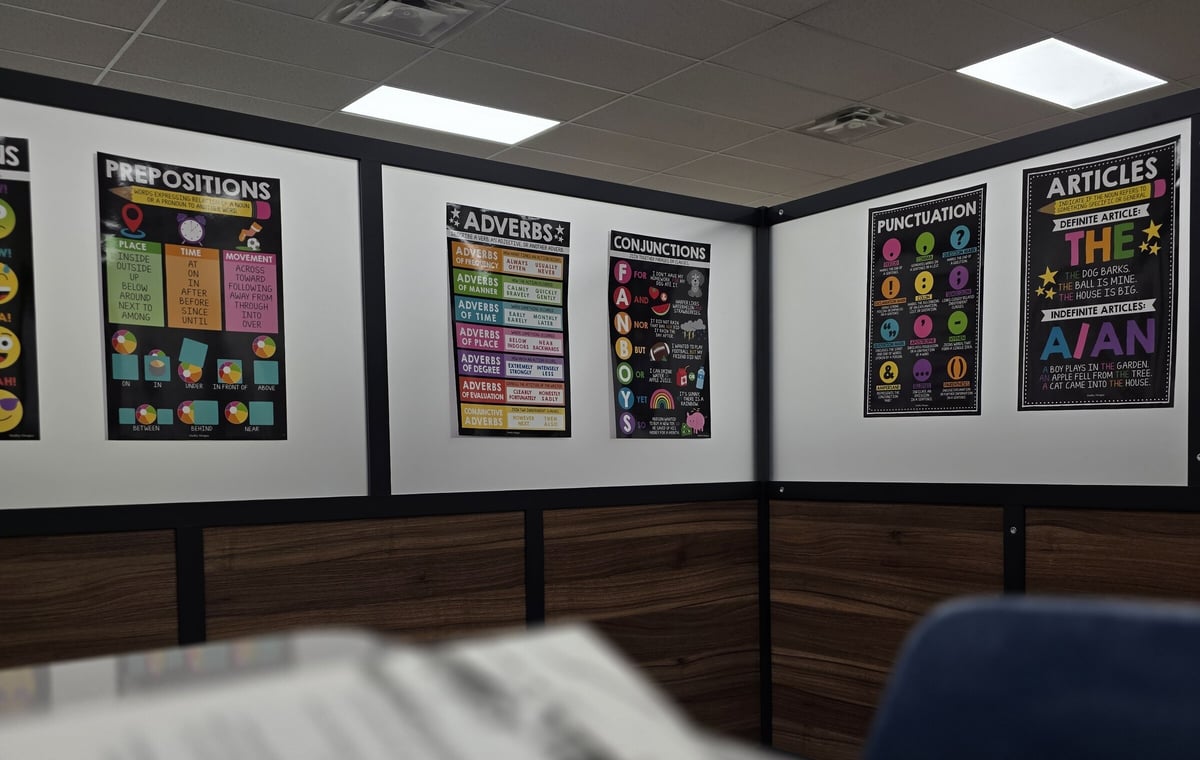
Reading tutoring for kids in K–2 starts with sounds; a high school english tutor starts with argument and evidence.
Letter sounds and decoding
Phonemic awareness, letter-sound correspondence, blending, and the systematic phonics sequence that makes new words predictable.
Sight words
High-frequency words that break the phonics rules, recognized on sight.
Fluency
Speed, accuracy, and expression — the bridge to understanding.
Comprehension and main idea
Finding the central idea, supporting it with evidence, making inferences, and comparing across passages — the core of the reading comprehension tutor’s work.
Vocabulary
Context clues, word parts, academic terms used in test questions, and the vocabulary of each subject area.
Paragraph and essay writing
Sentences, paragraph structure, conventions, and — for older students — the multi-paragraph essay with a clear thesis.
Tools that flex to the child
We use IXL for at-home practice, but real books, paper work, and hands-on activities matter too. A phonics tutor switches tools without hesitation. Whatever keeps your child reading is what we use.

Why 30-minute sessions work for young readers
A common worry is that 30 minutes is not enough. For many K–2 children it is exactly right.
Early reading practice is intensive. Sounding out words, hearing the difference between similar vowels, and re-reading to catch a missed word all take real effort. A child focused for thirty minutes learns more than one watching the clock by minute forty.
A short session also fits the schedule. Older readers usually do better with a full hour, and we offer both.
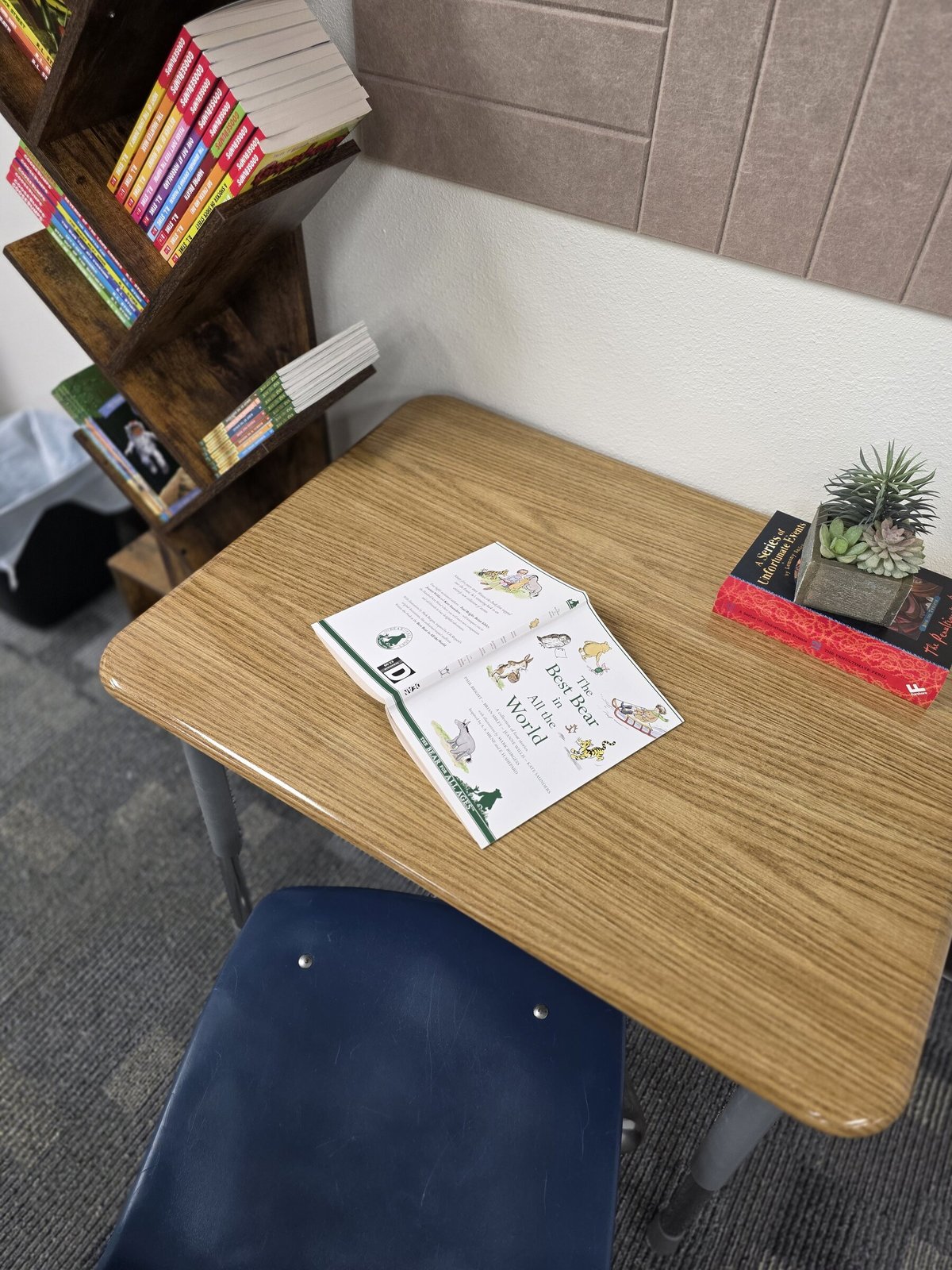
Whatever the length, a reading tutor for elementary students never works with more than four children at once. At that ratio, the teacher hears every child read aloud — the only reliable way to catch the miscues silent practice misses.
STAAR reading and English EOC prep
Texas reading tests change label and format as students move up, but the core skills stay the same.
Grades 3–5
STAAR reading
Strategies for paired passages, evidence-based answers, extended responses, and the testing format.
Grades 6–8
STAAR RLA
Inference, author’s purpose, literary analysis, and written responses grounded in the passage.
High school
English I & II EOC
Close reading, rhetorical analysis, revision and editing, and timed essays under real conditions.
Test prep is not the only reason families come. Reading help for struggling readers does not wait for a test date, and a writing tutor for kids can head off problems early.
Where reading fits
Reading students usually join Reading & Language Arts, often with Homework Club for the nightly assignments.
Homework Club
One hour a week of guided homework help with a tutor at the table — reading logs, book reports, and the nightly assignment all get finished.
Learn moreMathematics
Math often needs attention alongside reading. A math tutor and a reading tutor under the same roof, same small groups.
Learn moreReading & Language Arts
The main program for phonics, comprehension, vocabulary, and writing, with 30-minute sessions available for the youngest readers.
Learn moreReviews: What Families Say About Avalon
Start with a free diagnostic
Both diagnostics are free, and there is no obligation to enroll.
201 Hooper Rd., Suite 100, Wylie, TX 75098 — next to Avalon School of Music
Mon–Fri, 2pm–8pm